


Welcome to our blog, where we strive to provide high-quality and reliable information on a diverse range of topics, ensuring accuracy and relevance in every piece of content.

Upper Cervical Instability in Hypermobile Patients
Upper cervical instability can be a concern for some individuals with hypermobility disorders, including Hypermobility Spectrum Disorder (HSD) and hypermobile Ehlers-Danlos syndrome (hEDS). It involves excessive or abnormal movement at the upper portion of the neck, near the base of the skull, and may be associated with neck pain, headaches, muscle fatigue, dizziness, or difficulty maintaining comfortable head and neck positions. However, these symptoms can have many causes and do not automatically indicate instability.
In this blog, we explore the relationship between hypermobility and upper cervical instability, common symptoms, diagnostic considerations, and when to seek medical assessment. Understanding the potential signs and complications can help individuals with hypermobility make informed decisions about their health and seek appropriate care when needed.
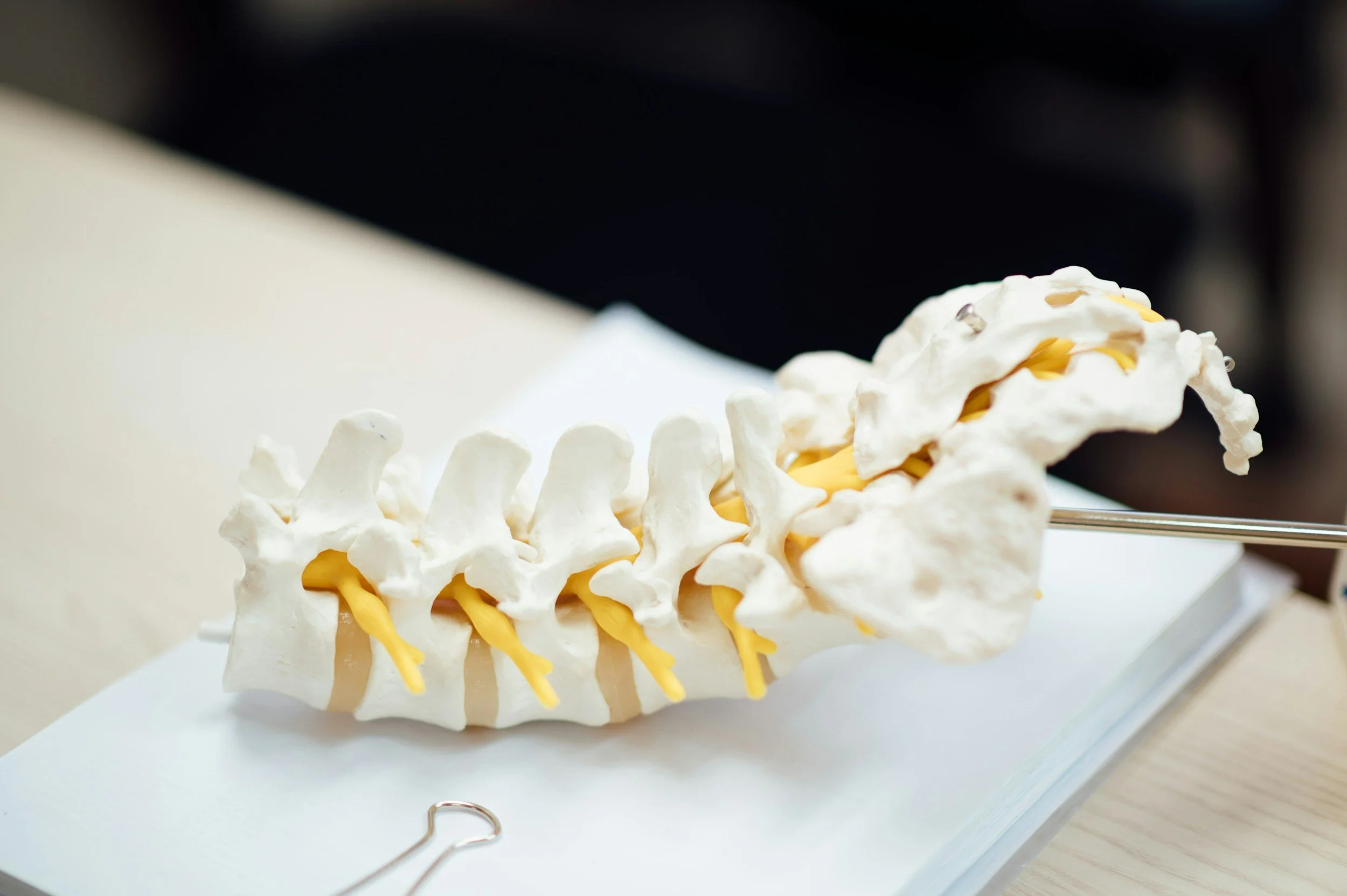
Lumbosacral Instability in Hypermobile Patients
Lumbosacral instability can be a significant source of low back, pelvic, and hip discomfort for people with hypermobility disorders, including Hypermobility Spectrum Disorders (HSD) and hypermobile Ehlers-Danlos syndrome (hEDS). When the joints and connective tissues around the lumbar spine and pelvis allow more movement than the body can comfortably control, individuals may experience pain, a feeling of instability, muscle fatigue, or difficulty with prolonged standing, walking, lifting, or exercise.
In this blog, we explore what lumbosacral instability is, why it may occur in people with hypermobility, common symptoms and contributing factors, and how it can affect everyday movement and function. Understanding the relationship between hypermobility and lumbosacral stability can help individuals recognize their symptoms and seek appropriate assessment and support.

Hypermobility: It’s More Than Being “Double-Jointed”
Being able to bend your joints farther than most people may seem like a party trick, but for some people, hypermobility can be associated with pain, joint instability, muscle fatigue, and recurring injuries. Hypermobility isn't simply about being flexible, it’s also about how well you can control and support your joints as they move. While some people are naturally hypermobile without any symptoms, others may have a hypermobility spectrum disorder (HSD) or hypermobile Ehlers-Danlos syndrome (hEDS). Physiotherapy focuses on building strength, stability, coordination, and body awareness rather than simply increasing flexibility. With an individualized exercise program and the right guidance, physiotherapy can help you move with greater confidence, manage symptoms, and better tolerate the activities you enjoy.