


Welcome to our blog, where we strive to provide high-quality and reliable information on a diverse range of topics, ensuring accuracy and relevance in every piece of content.

Upper Cervical Instability in Hypermobile Patients
Upper cervical instability can be a concern for some individuals with hypermobility disorders, including Hypermobility Spectrum Disorder (HSD) and hypermobile Ehlers-Danlos syndrome (hEDS). It involves excessive or abnormal movement at the upper portion of the neck, near the base of the skull, and may be associated with neck pain, headaches, muscle fatigue, dizziness, or difficulty maintaining comfortable head and neck positions. However, these symptoms can have many causes and do not automatically indicate instability.
In this blog, we explore the relationship between hypermobility and upper cervical instability, common symptoms, diagnostic considerations, and when to seek medical assessment. Understanding the potential signs and complications can help individuals with hypermobility make informed decisions about their health and seek appropriate care when needed.
Lumbosacral Instability in Hypermobile Patients
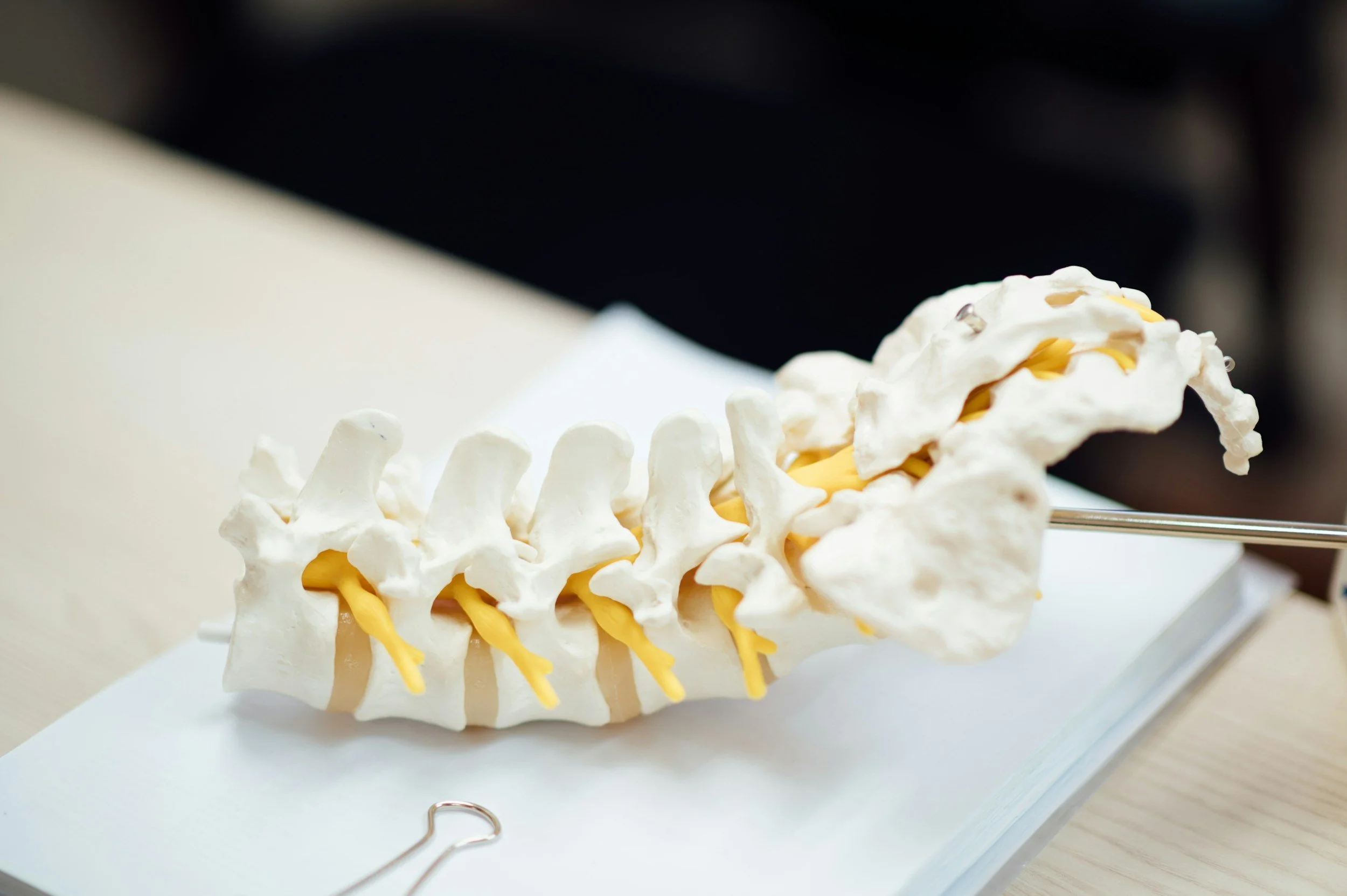
Lumbosacral instability can be a significant source of low back, pelvic, and hip discomfort for people with hypermobility disorders, including Hypermobility Spectrum Disorders (HSD) and hypermobile Ehlers-Danlos syndrome (hEDS). When the joints and connective tissues around the lumbar spine and pelvis allow more movement than the body can comfortably control, individuals may experience pain, a feeling of instability, muscle fatigue, or difficulty with prolonged standing, walking, lifting, or exercise.
In this blog, we explore what lumbosacral instability is, why it may occur in people with hypermobility, common symptoms and contributing factors, and how it can affect everyday movement and function. Understanding the relationship between hypermobility and lumbosacral stability can help individuals recognize their symptoms and seek appropriate assessment and support.

Physiotherapy For Hypermobility
Living with hypermobility can mean more than simply being “flexible.” When joints move beyond their typical range, some people may experience joint instability, recurring aches and pains, muscle fatigue, clicking or popping, or difficulty feeling stable during everyday activities and exercise. Physiotherapy can help people with hypermobility develop better strength, control, and confidence in their movement.
Treatment focuses on building stability rather than increasing flexibility. A physiotherapist can assess how you move, identify areas of weakness or poor joint control, and create an individualized exercise program to improve muscle strength, balance, proprioception, and coordination. Exercises are progressed gradually to help your body tolerate daily activities, work, recreational activities, and sport while reducing unnecessary stress on hypermobile joints.
At Integrative Physiotherapy & Wellness in Barrie, physiotherapy for hypermobility is personalized to your symptoms, goals, and activity level. Whether you are dealing with persistent joint pain, repeated injuries, muscle fatigue, or difficulty exercising because of hypermobility, a physiotherapist can help you develop a safe and sustainable approach to movement.
If hypermobility is affecting your comfort, strength, or ability to stay active, physiotherapy may be an important part of helping you move with greater stability and confidence.
Hypermobility Disorders
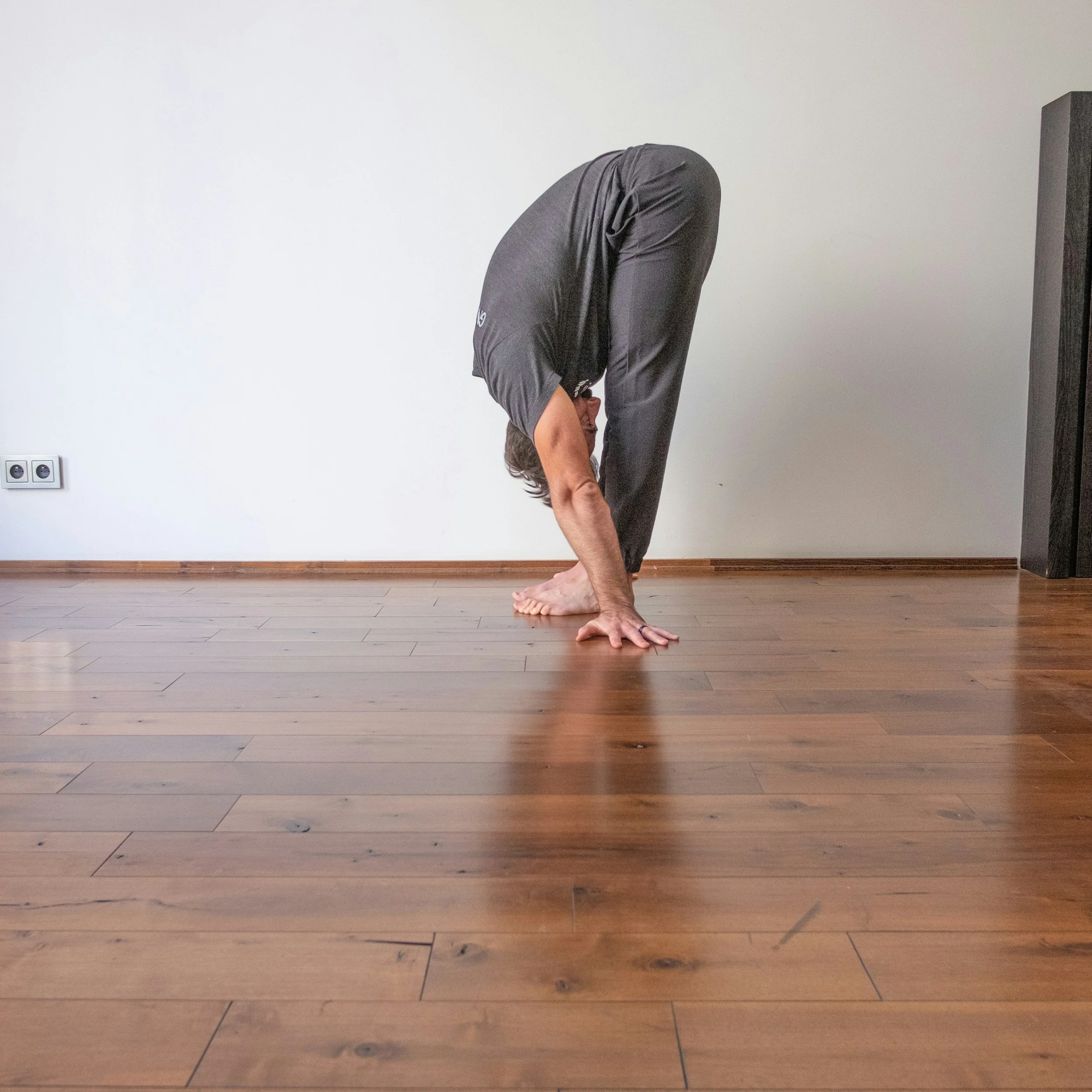
Hypermobility is often thought of as simply being very flexible or “double-jointed.” However, for some individuals, increased joint mobility is associated with persistent pain, joint instability, recurrent injuries, muscle fatigue, balance difficulties, and other symptoms. These concerns may be part of a Hypermobility Spectrum Disorder (HSD) or hypermobile Ehlers-Danlos syndrome (hEDS).
Hypermobility disorders can affect people differently and may involve much more than joint flexibility. Understanding the difference between normal joint hypermobility and a symptomatic hypermobility disorder is an important step toward appropriate assessment and management. In this blog, we explore HSD and hEDS, common signs and symptoms, how hypermobility disorders are assessed, and how they can affect everyday activities and quality of life.
Painful Intercourse & Pelvic Floor Dysfunction: How Pelvic Floor Physiotherapy Can Help
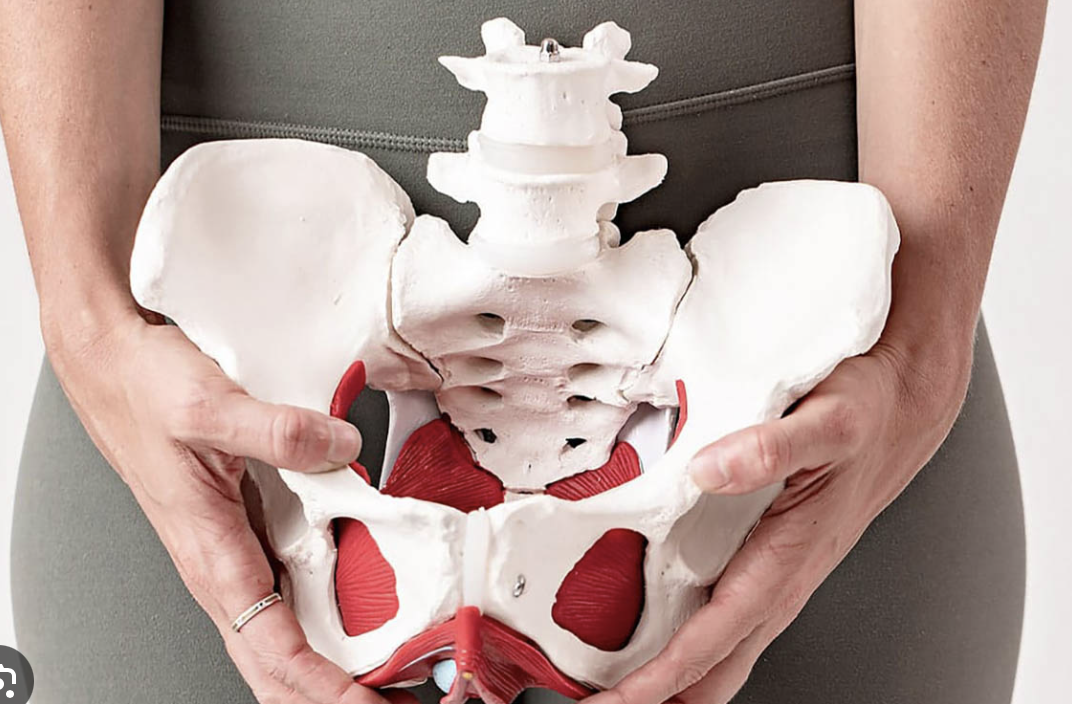
Painful intercourse is common, but it is not something you simply have to live with. Pain can be related to pelvic floor muscle tension, weakness, reduced coordination, previous injury or surgery, hormonal changes, or other pelvic health conditions. When the pelvic floor muscles are overly tight or unable to relax properly, they can contribute to pain, discomfort, or a feeling of pressure during intercourse. Pelvic floor physiotherapy provides a private, individualized approach to understanding what may be contributing to your symptoms. Treatment may include education, breathing and relaxation strategies, gentle manual therapy, mobility exercises, and retraining the pelvic floor to contract and relax appropriately. The goal is to reduce pain, improve pelvic floor function, and help you feel more comfortable and confident in your body.
Balance Training to Prevent Falls
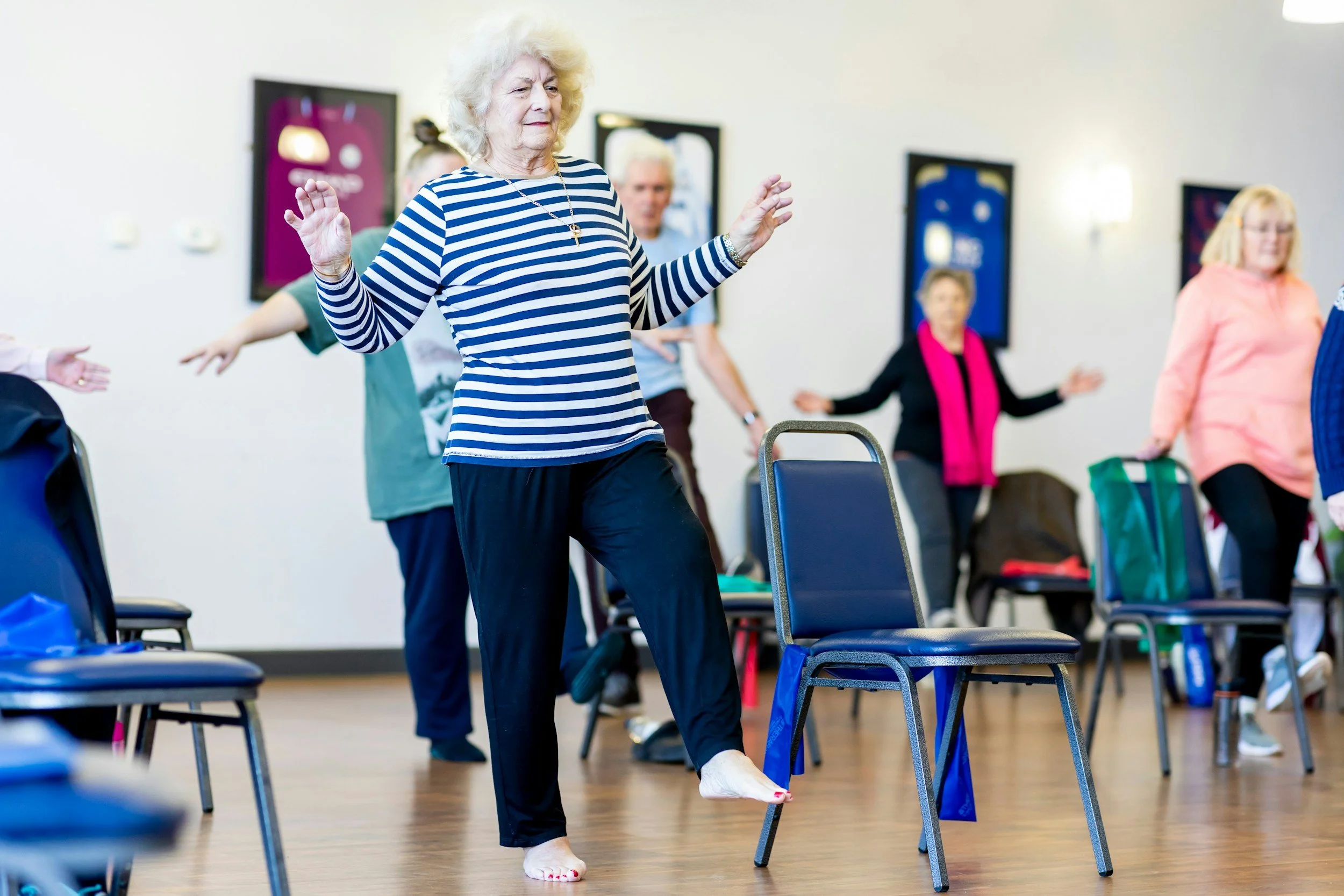
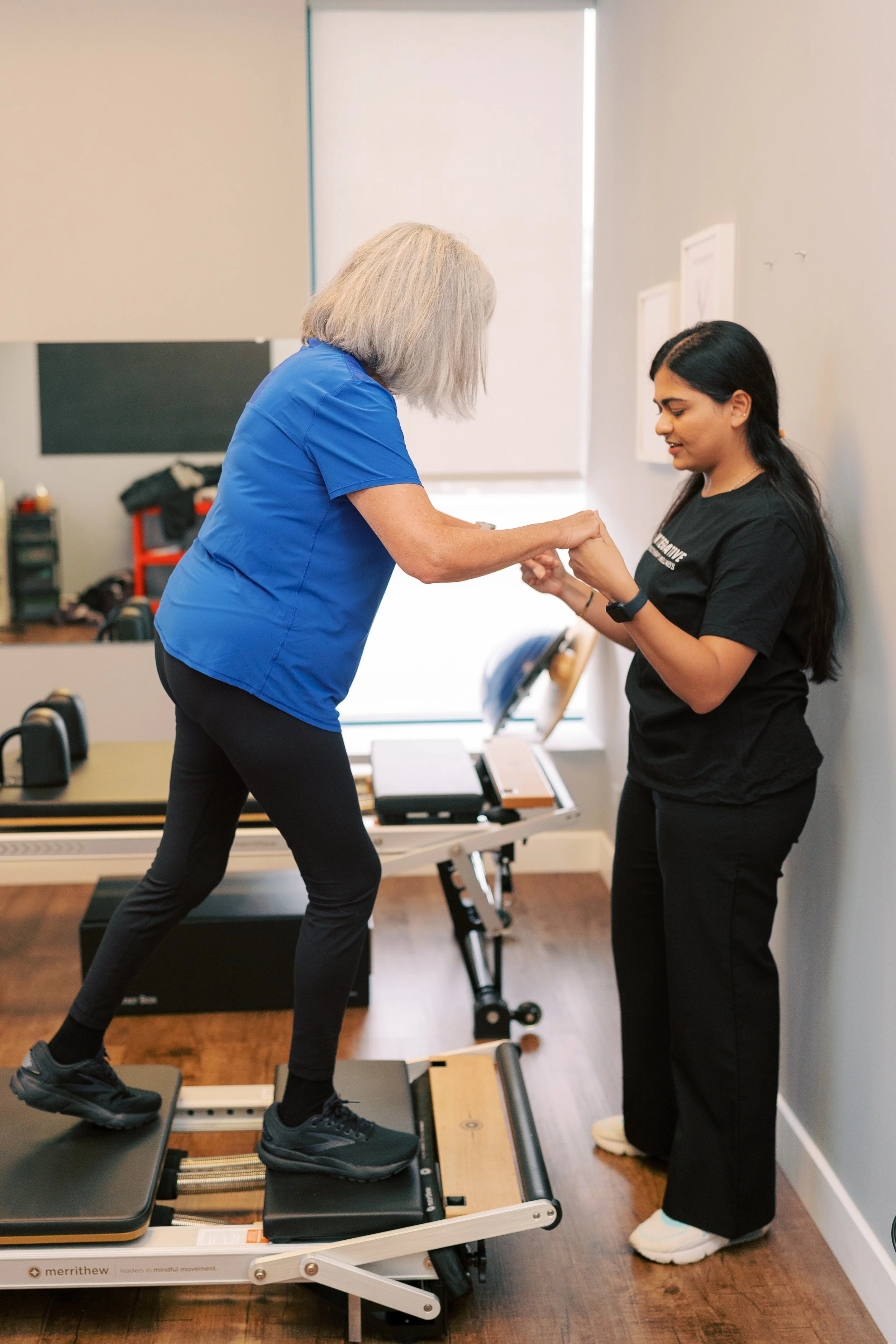
Falls are not an inevitable part of getting older, and improving your balance is one of the best ways to stay active and independent. Balance can change with age, reduced muscle strength, changes in vision, medications, previous injuries, or simply becoming less active. The good news is that balance is a skill that can be trained. Physiotherapy can help identify your individual fall risks and develop a personalized program that may include strength exercises, balance challenges, walking practice, and strategies to improve confidence with movement. Whether you have already experienced a fall or simply want to stay steady on your feet, targeted balance training can help you move with greater confidence and reduce your risk of falling.
Bone Health Matters: How to Stay Strong and Active Beyond 50
Complex Regional Pain Syndrome (CRPS) is a chronic pain condition that typically affects the arm, hand, leg, or foot after an injury, fracture, or surgery. The pain experienced with CRPS is often much greater than expected for the original injury and may persist long after tissues have healed.

Hypermobility: It’s More Than Being “Double-Jointed”
Being able to bend your joints farther than most people may seem like a party trick, but for some people, hypermobility can be associated with pain, joint instability, muscle fatigue, and recurring injuries. Hypermobility isn't simply about being flexible, it’s also about how well you can control and support your joints as they move. While some people are naturally hypermobile without any symptoms, others may have a hypermobility spectrum disorder (HSD) or hypermobile Ehlers-Danlos syndrome (hEDS). Physiotherapy focuses on building strength, stability, coordination, and body awareness rather than simply increasing flexibility. With an individualized exercise program and the right guidance, physiotherapy can help you move with greater confidence, manage symptoms, and better tolerate the activities you enjoy.

Neck Pain from Screens: A Physiotherapist’s Guide
f you spend hours looking at a computer, phone, or tablet, you may have noticed your neck and shoulders becoming stiff, achy, or tired by the end of the day. While screens themselves aren't necessarily the problem, prolonged static positions, repetitive movements, and spending less time changing positions can place extra demands on your neck and upper back. The good news is that you don't need perfect posture or a completely new workstation to feel better. Physiotherapy can help identify the factors contributing to your symptoms, improve neck and upper-body strength and mobility, and provide practical strategies for managing screen time, movement breaks, and your workspace. The goal is to help you use technology comfortably without letting neck pain control your day.
Osteopenia vs Osteoporosis: What Physiotherapy Does Differently
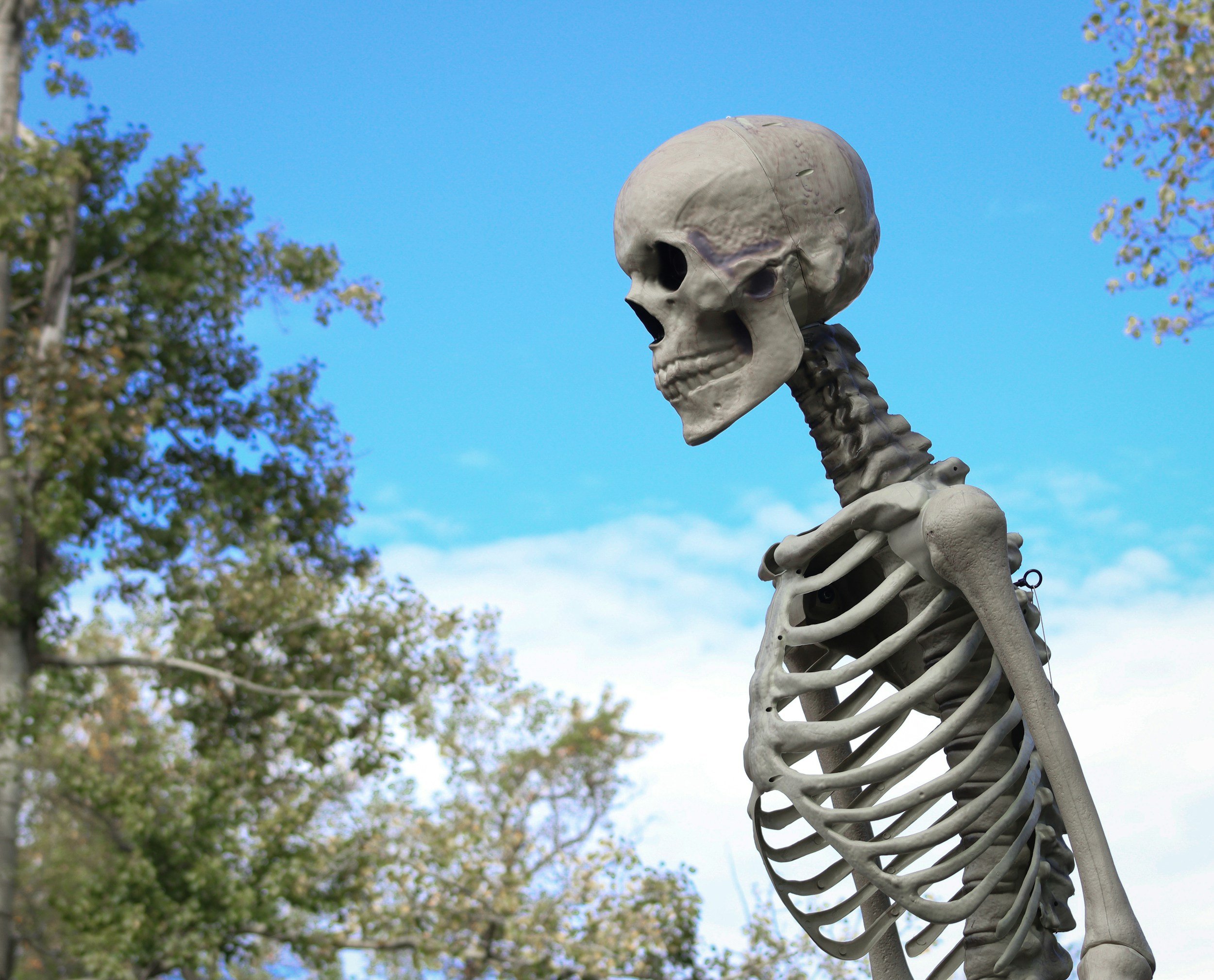
Osteopenia and osteoporosis both involve lower-than-normal bone density, but they are not the same. Osteopenia indicates that bone density is below the optimal range, while osteoporosis represents a greater loss of bone strength and a higher risk of fracture. Physiotherapy can play an important role in managing both conditions, but the approach is tailored to your individual bone health, fracture risk, strength, balance, and activity level. With osteopenia, treatment may focus on progressive resistance training, weight-bearing exercise, posture, and building strength to help maintain or improve bone health. With osteoporosis, physiotherapy places greater emphasis on safe movement strategies, fall prevention, balance, strength, and exercises that protect the spine and reduce unnecessary stress on vulnerable areas. The goal in both cases is to keep you strong, active, and confident while choosing exercises that are appropriate for your level of bone health.

Backpack Fit Matters: How to Wear Your Backpack Properly
Backpack Fit Matters! A backpack should make life easier, not leave you with aching shoulders or a sore back. Whether you're heading to school, work, the gym, or travelling, an improperly fitted or overloaded backpack can increase strain on the neck, shoulders, and back. The good news is that small changes to how you pack, adjust, and wear your backpack can make a big difference. In this physiotherapist’s guide, we’ll look at proper backpack fit, safe loading, common injury risks, and simple strategies to help you carry your backpack more comfortably and confidently.
Pelvic Floor Therapy Isn’t Just for After Birth
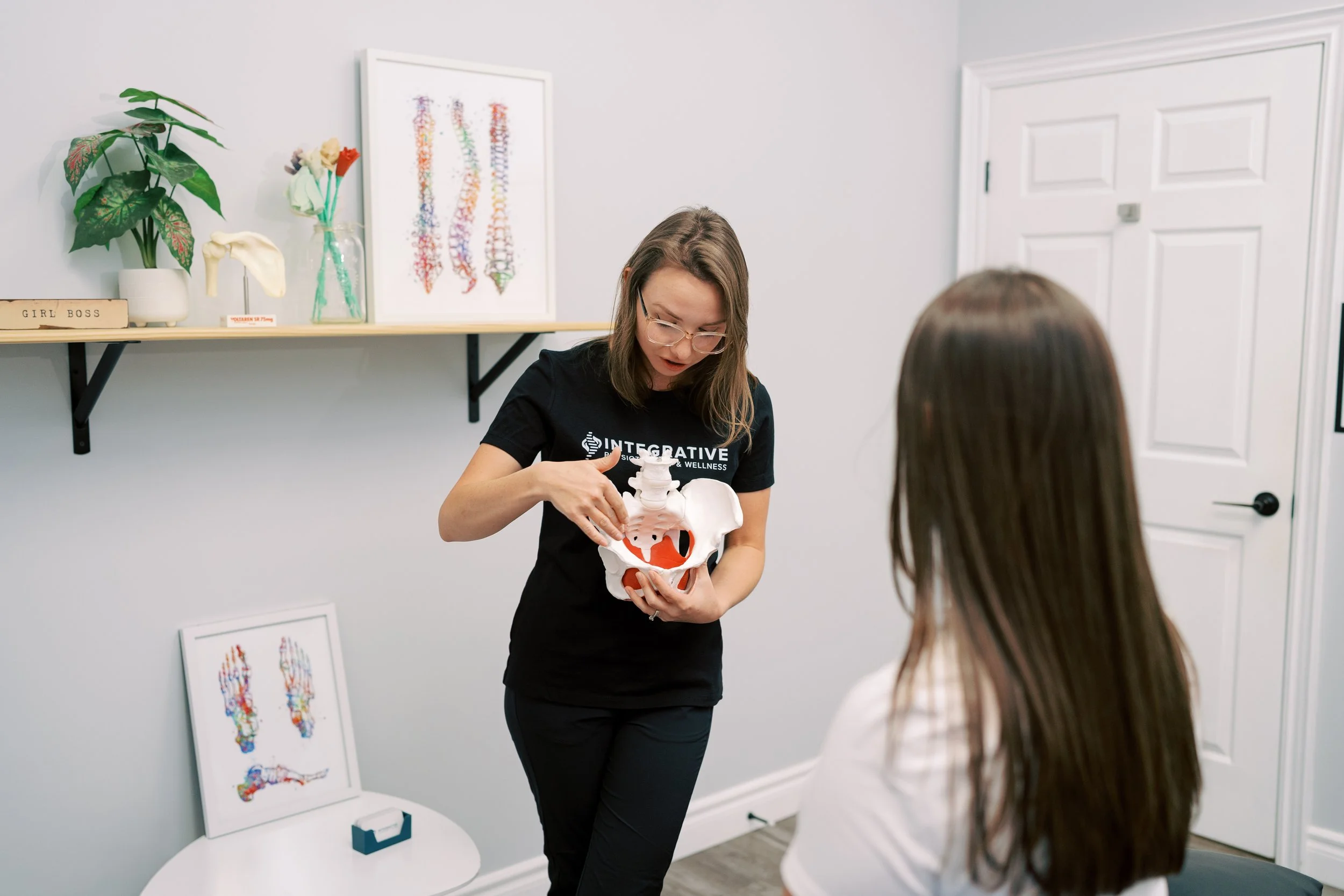
Many people associate pelvic floor physiotherapy with pregnancy and postpartum recovery, but the pelvic floor plays an important role throughout every stage of life. Pelvic floor physiotherapy can help address concerns such as bladder leakage, urinary urgency, pelvic pain, constipation, painful intercourse, pelvic organ prolapse, and core dysfunction, whether you've had children or not. It can also support athletes, people going through menopause, individuals recovering from pelvic surgery, and anyone experiencing symptoms that affect their daily life. As physiotherapists, we provide a thorough assessment and individualized treatment plan to improve pelvic floor function, reduce symptoms, and help you move with greater comfort and confidence.
Chronic Pain: When Imaging Is “Normal” but Pain Isn’t
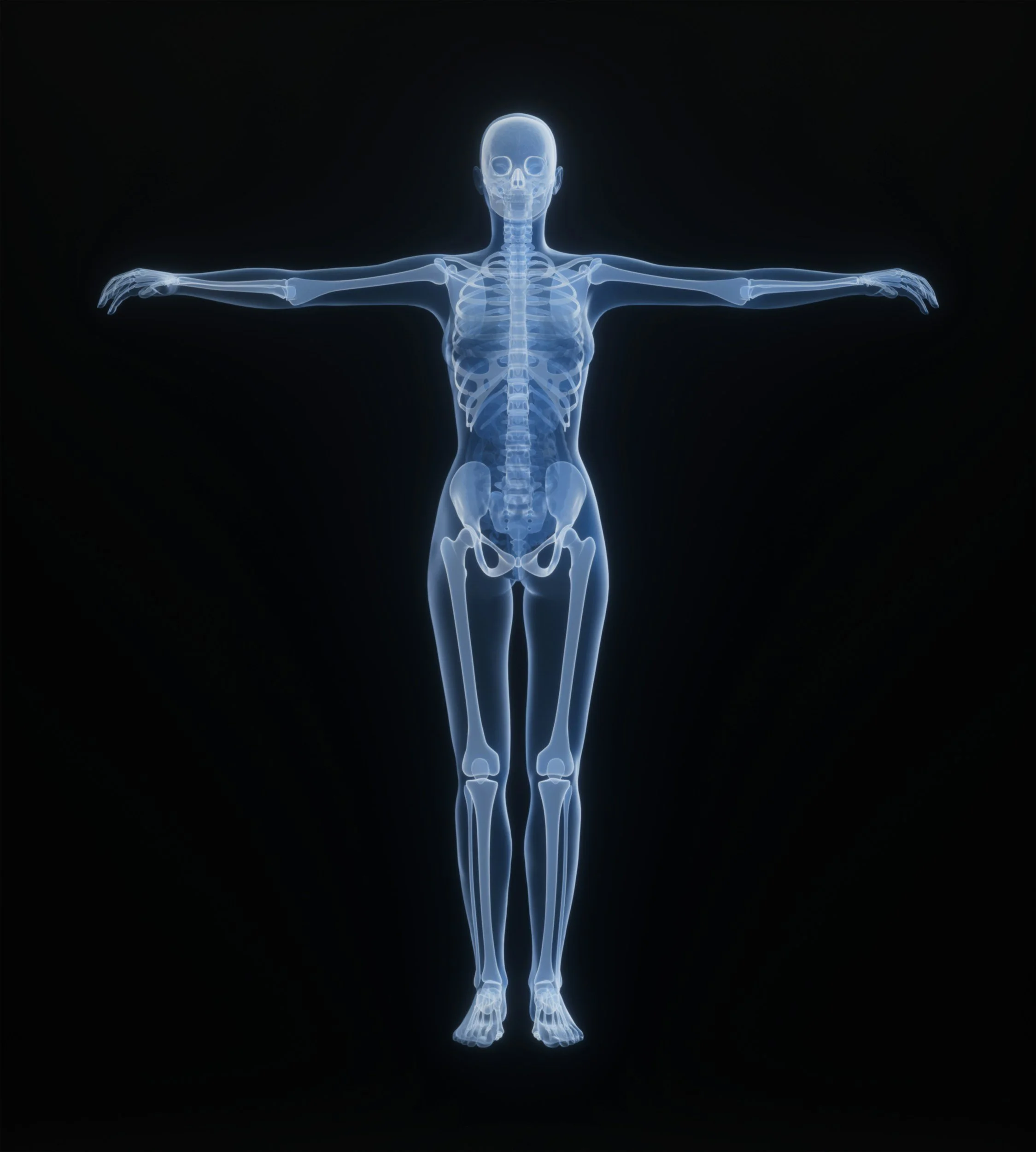
Hearing that your scans or imaging results are “normal” can be confusing and frustrating when you are still experiencing real, ongoing pain. Chronic pain is complex and cannot always be explained by what shows up on an X-ray or MRI alone. Pain involves a combination of factors, including how your nervous system processes signals, your movement patterns, strength, sleep, stress, and your overall health. As physiotherapists, we look beyond the image to understand your individual experience and what may be contributing to your symptoms. Treatment focuses on improving function, rebuilding confidence with movement, and helping you develop strategies to manage pain and get back to the activities that matter to you.
Tennis Elbow in Non-Athletes
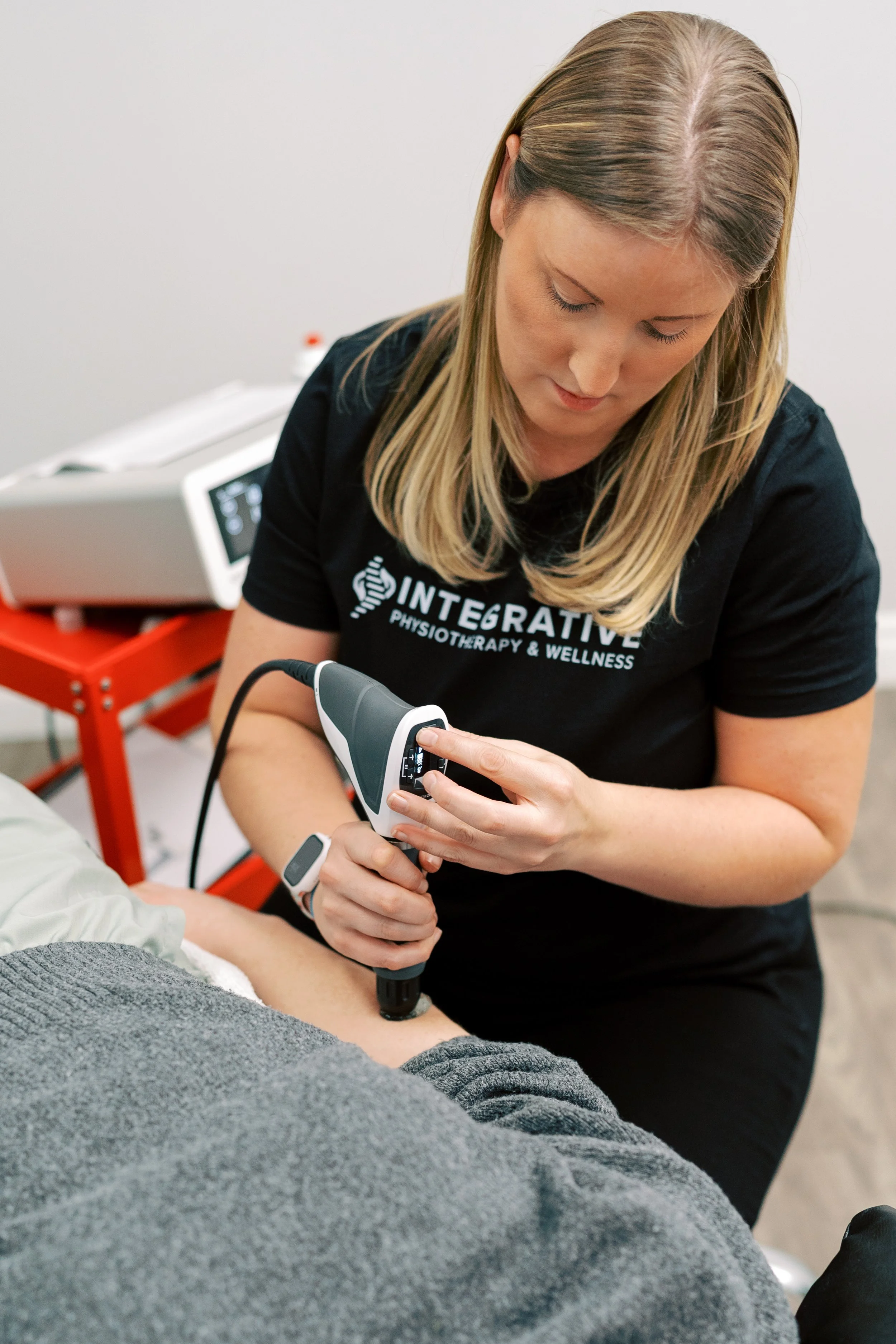
Tennis elbow is a common source of outer elbow pain, but despite its name, it often has little to do with playing tennis. Many people develop symptoms from everyday activities like typing, gardening, lifting, gripping, cooking, or repetitive work tasks. The pain is often related to how the tendons and muscles around the elbow respond to repeated stress or increased demands. Physiotherapy focuses on identifying the factors contributing to your symptoms, improving strength and mobility, and gradually rebuilding your ability to use your arm comfortably. With the right approach, you can reduce pain and return to the activities that matter most, without having to avoid using your arm.
Menopause and Muscle Loss (Sarcopenia): How Physiotherapy Can Help
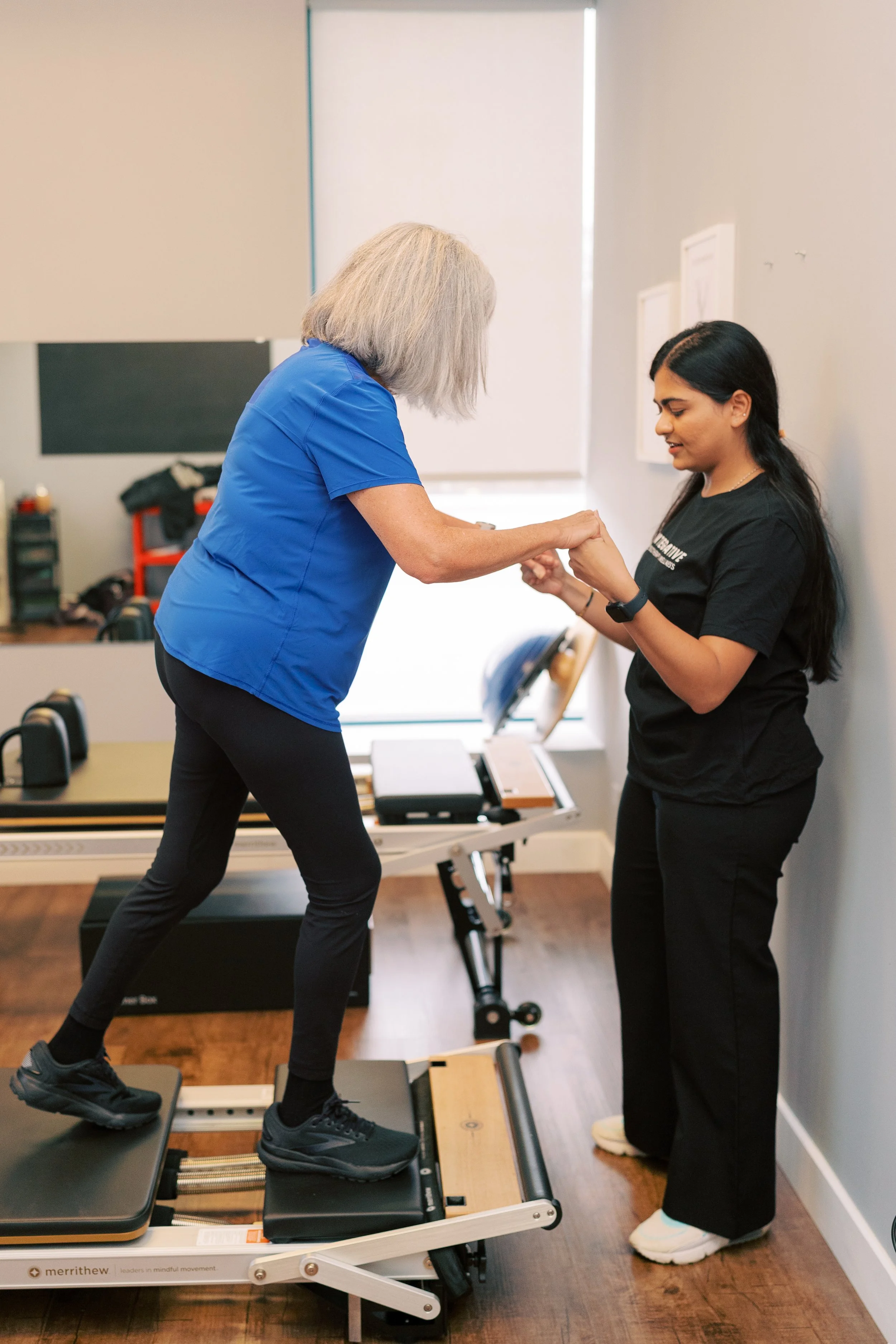
Many women notice changes in their strength, energy, balance, and body composition during menopause, but these changes are not simply a result of getting older. Hormonal shifts during menopause can contribute to changes in muscle mass and how the body responds to exercise. The good news is that muscle is adaptable at every stage of life. Physiotherapy can help women understand how to safely build strength, improve mobility, support bone health, and maintain confidence in everyday movement. A personalized approach that includes resistance training, functional movement, and healthy activity habits can play an important role in staying strong and active through midlife and beyond.

Why Your Back Pain Keeps Coming Back (And How Physio Really Fixes)
For many people, back pain feels like a cycle. Pain appears, it improves, and then it returns again weeks or months later. While rest and temporary relief may help calm symptoms, recurring back pain often requires a closer look at the factors contributing to it. Changes in strength, mobility, movement habits, activity levels, stress, or how the body responds to daily demands can all play a role. Physiotherapy focuses on understanding your unique pattern of pain and creating a plan to improve movement, build resilience, and help prevent future flare-ups. The goal is not just to treat the pain when it happens, but to help you feel stronger and more confident in the activities you love.

Knee Pain Without Injury: What’s Going On?
Many people are surprised when knee pain shows up without a clear injury or accident. You may not remember twisting your knee, falling, or doing anything unusual, yet everyday activities like walking, stairs, squatting, or getting up from a chair start to become uncomfortable. Knee pain can develop from changes in strength, mobility, movement patterns, activity levels, previous injuries, or how your body is managing everyday demands. As physiotherapists, we look beyond the painful area to understand what may be contributing to your symptoms and create a treatment plan focused on improving movement, building strength, and helping you return to the activities you enjoy with confidence.
Hip Pain in Midlife Women: Causes & Treatment
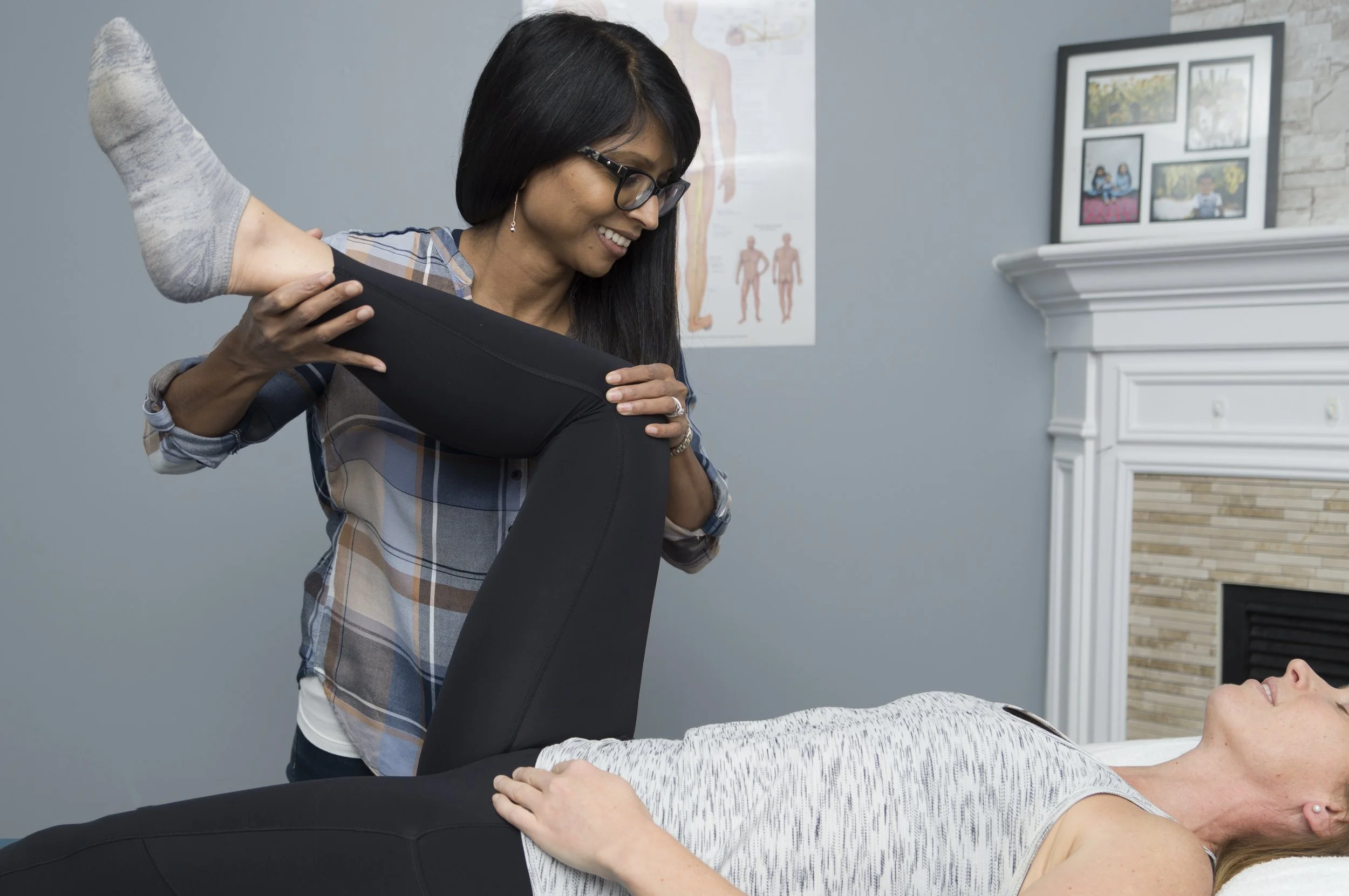
Hip pain is a common concern for many women in midlife, but it is not something you simply have to “put up with” as you get older. Changes in hormones, activity levels, muscle strength, joint mobility, and lifestyle demands can all influence how your hips feel and function.
Many women notice hip pain with activities like walking, climbing stairs, sleeping on their side, getting up from a chair, or exercising. Common causes can include irritation of the tendons around the hip, reduced strength in the glute muscles, changes in joint mobility, previous injuries, or increased sensitivity in the surrounding tissues.
Physiotherapy focuses on finding the reason behind your hip pain, not just treating the painful spot. A personalized plan may include improving hip strength, restoring movement, addressing muscle imbalances, modifying activities, and building confidence with movement again.
Your hips are designed to move, support you, and keep you active. With the right approach, physiotherapy can help reduce pain, improve function, and help midlife women return to the activities they enjoy.
Plantar Fasciitis: Why Stretching Alone Isn’t Enough
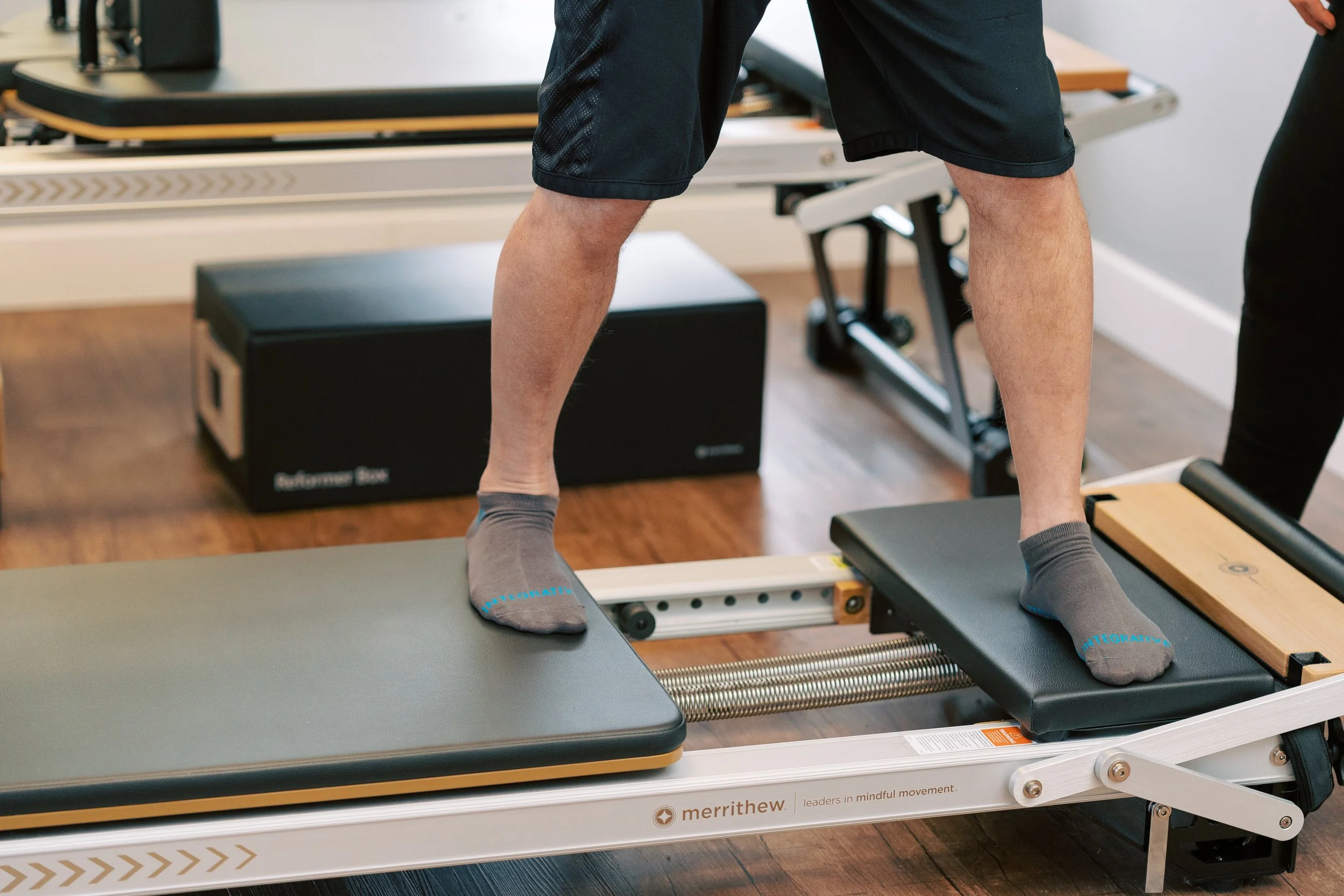
Plantar fasciitis is one of the most common causes of heel pain, and many people are told to simply stretch their calves and feet to make it better. While stretching can be helpful, it is often only one piece of the puzzle. The plantar fascia, foot muscles, calf strength, walking patterns, footwear, and the amount of load placed on the foot all play a role in recovery. As physiotherapists, we look beyond the painful area to understand what may be contributing to your symptoms and create a treatment plan that focuses on improving strength, mobility, and how your foot handles everyday activities. The goal is not just to reduce heel pain, but to help you get back to moving comfortably and confidently.
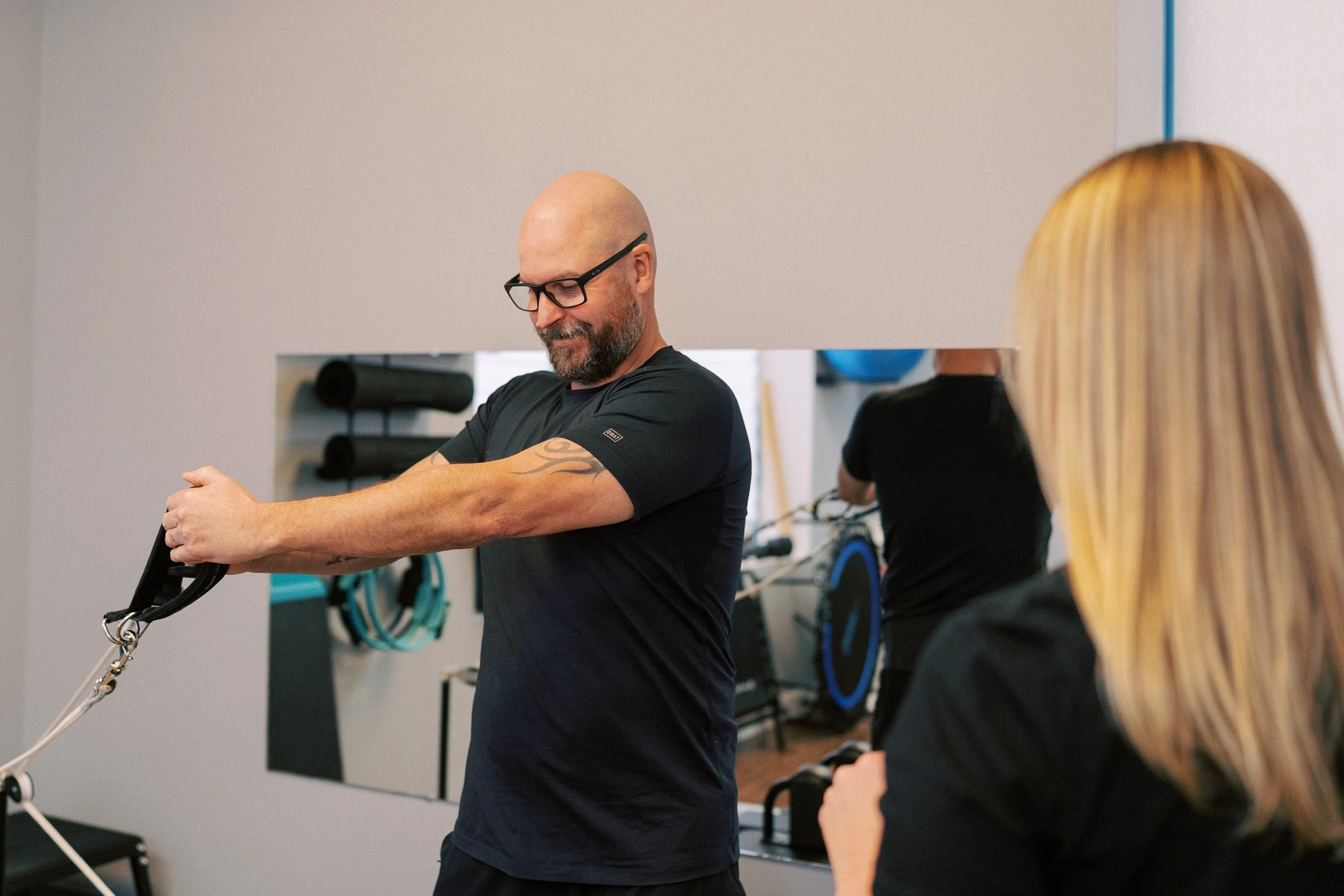
Shoulder Pain: When Resting Makes It Worse
Shoulder pain is one of the most common concerns treated by physiotherapists. When the shoulder hurts, many people instinctively try to avoid using it and wait for the pain to settle. While reducing aggravating activities can be helpful in the short term, complete rest is rarely the answer. In fact, prolonged inactivity can sometimes lead to increased stiffness, weakness, and sensitivity in the shoulder. If your shoulder feels worse after periods of rest, it may be a sign that it needs the right type of movement and support, not simply more time off.