

Hypermobility Spectrum Disorder (HSD)
Hypermobility Spectrum Disorder (HSD) refers to a range of conditions where connective tissues are more flexible than typical, leading to increased joint movement and varying degrees of instability, pain, and functional limitations. When hypermobility becomes symptomatic — causing pain, recurrent joint injuries, or interference with daily activities — it is classified as HSD rather than benign joint laxity.
Understanding HSD
Joint hypermobility means a joint moves beyond the expected range of motion. In people with HSD, this isn’t just flexibility — it can include joint instability, which may lead to subluxations, dislocations, sprains, and pain that can disrupt everyday function.
HSD can present differently for each person. Some individuals may experience predominantly musculoskeletal symptoms, while others may have systemic effects involving fatigue, headaches, or autonomic symptoms.
Common Signs and Symptoms
Persistent or recurrent joint pain
Joint instability or frequent sprains
Muscle weakness or strain
Early onset osteoarthritis due to repetitive joint stress
Fatigue and reduced physical endurance
Reduced proprioception (awareness of body position)
Associated symptoms such as headaches or autonomic changes affecting heart rate and blood pressure
How HSD is Evaluated
HSD is diagnosed through a comprehensive clinical assessment that includes:
A detailed medical history
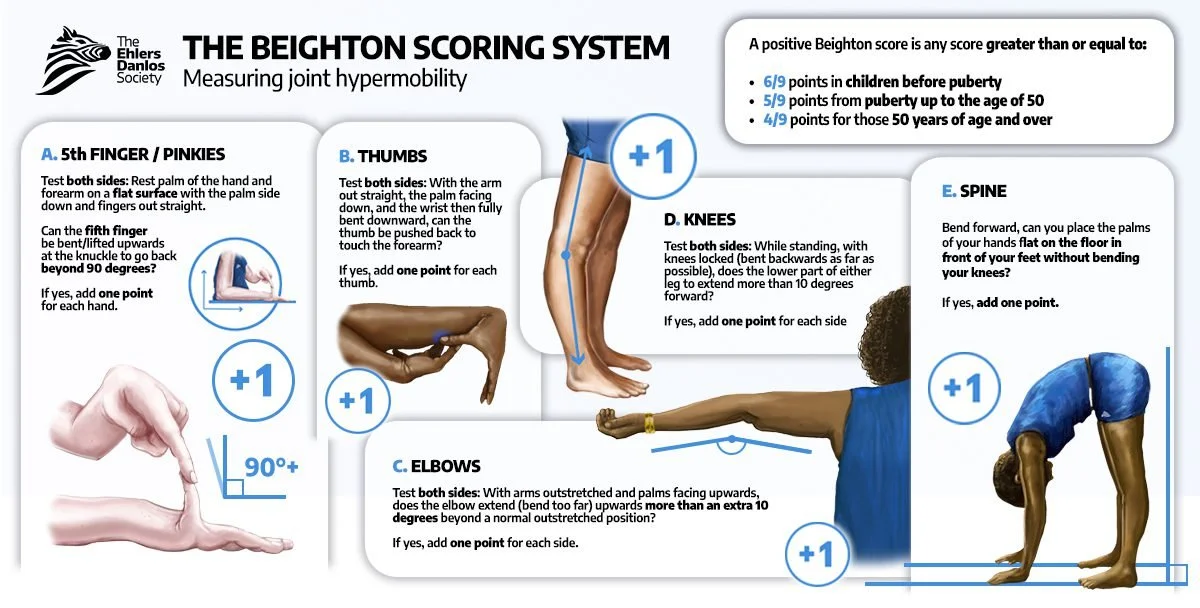
Physical examination to assess joint mobility and stability
Rule-out of other conditions that could explain the symptoms
Diagnosis focuses on identifying symptomatic hypermobility rather than hypermobility alone.
Our Approach to Care
At Integrative Physiotherapy & Wellness, our treatment for HSD is individualized and function-focused, incorporating:
Targeted physiotherapy to improve muscle strength and joint control
Proprioceptive and motor control retraining
Activity modification and pacing strategies
Education on self-management and injury prevention
Collaboration with other healthcare providers as needed for comprehensive care
Each care plan is developed with the goal of reducing pain, improving functional movement, and enabling participation in meaningful activities.
When to Seek Physiotherapy Support
You may benefit from physiotherapy assessment and treatment if you experience:
Ongoing or recurrent joint pain without a clear injury
Frequent sprains, strains, subluxations, or dislocations
A feeling of joints being unstable, weak, or difficult to control
Difficulty returning to work, sport, or daily activities due to pain or fatigue
Symptoms that worsen with prolonged activity or repetitive movements
A history of being “very flexible” combined with pain, fatigue, or injury
Early assessment and guided management can help reduce symptom progression, improve joint control, and support long-term function.
Frequently Asked Questions (FAQs)
Is hypermobility the same as being flexible?
Not always. While flexibility refers to increased range of motion, hypermobility becomes a clinical concern when it is associated with pain, instability, or functional limitations. HSD is diagnosed when hypermobility is symptomatic and impacts daily life.
Can hypermobility cause chronic pain?
Yes. Repeated joint strain, poor joint control, and muscle fatigue can contribute to persistent pain over time if not properly managed.
Is there a cure for Hypermobility Spectrum Disorder?
There is no cure, but symptoms can be effectively managed with appropriate rehabilitation, education, and long-term strategies focused on strength, control, and pacing.
Should people with HSD avoid exercise?
No. Exercise is a key part of management, but it must be specific, controlled, and progressive. High-impact or poorly controlled movements may worsen symptoms, while targeted strengthening and motor control training are beneficial.
Do symptoms change with hormones or life stages?
Yes. Many individuals — particularly women — notice symptom changes during puberty, pregnancy, perimenopause, and menopause due to hormonal effects on connective tissue and pain processing.
Book an Assessment for Hypermobility Spectrum Disorder
If hypermobility is affecting your comfort, confidence, or ability to stay active, physiotherapy can help. Our team provides comprehensive assessment and individualized care plans focused on pain management, joint stability, and safe return to functional activities.
👉 Book a physiotherapy assessment today to learn how structured rehabilitation and education can support long-term joint health and movement confidence.
bility:
This page contains general educational information informed by resources from The Ehlers-Danlos Society and is intended for informational purposes only. It does not replace individualized medical assessment or diagnosis.
Learn more about Hypermobility Spectrum Disorder at The Ehlers-Danlos Society:
https://www.ehlers-danlos.com/what-is-hsd/