


Welcome to our blog, where we strive to provide high-quality and reliable information on a diverse range of topics, ensuring accuracy and relevance in every piece of content.
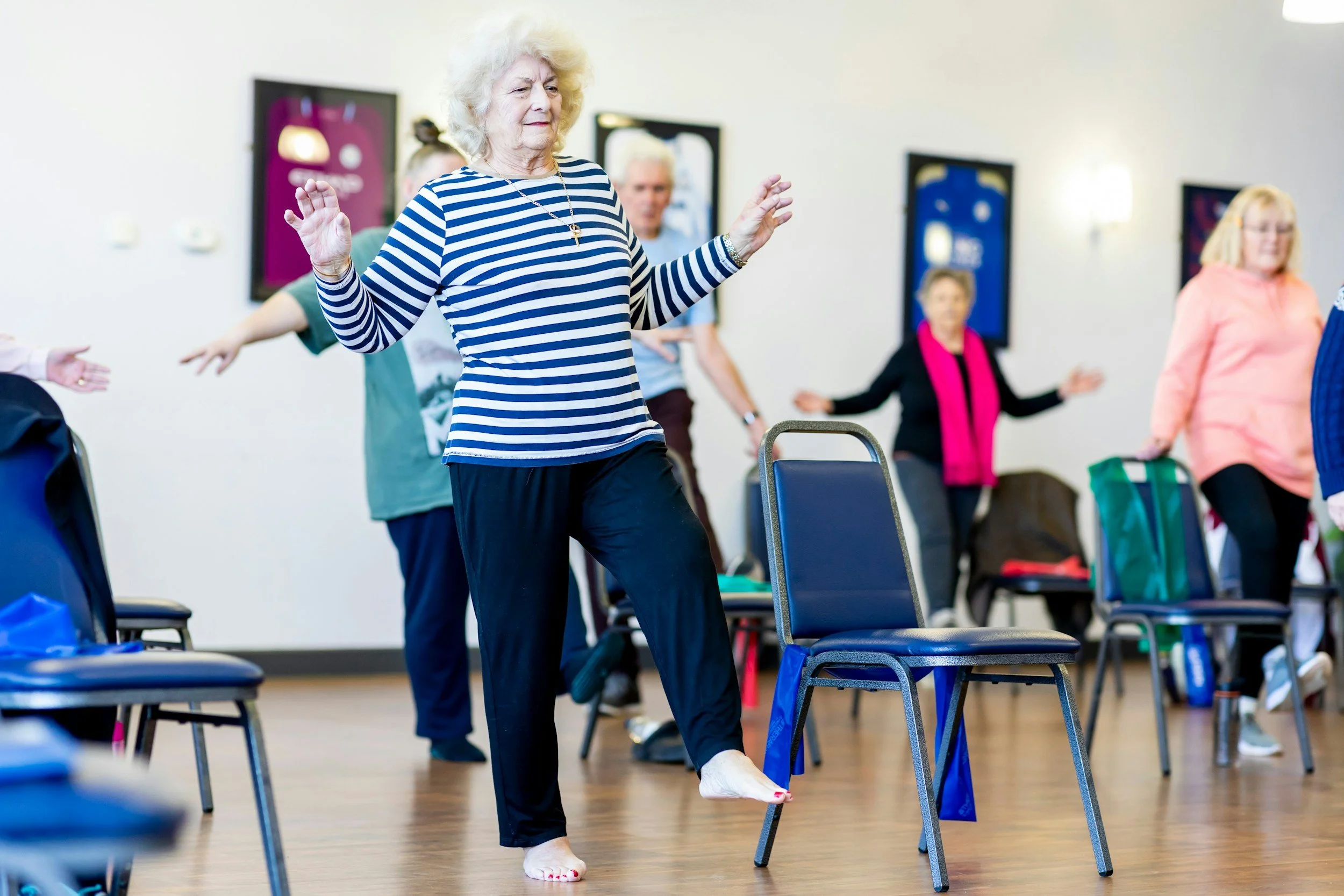
Balance Training to Prevent Falls
Falls are not an inevitable part of getting older, and improving your balance is one of the best ways to stay active and independent. Balance can change with age, reduced muscle strength, changes in vision, medications, previous injuries, or simply becoming less active. The good news is that balance is a skill that can be trained. Physiotherapy can help identify your individual fall risks and develop a personalized program that may include strength exercises, balance challenges, walking practice, and strategies to improve confidence with movement. Whether you have already experienced a fall or simply want to stay steady on your feet, targeted balance training can help you move with greater confidence and reduce your risk of falling.
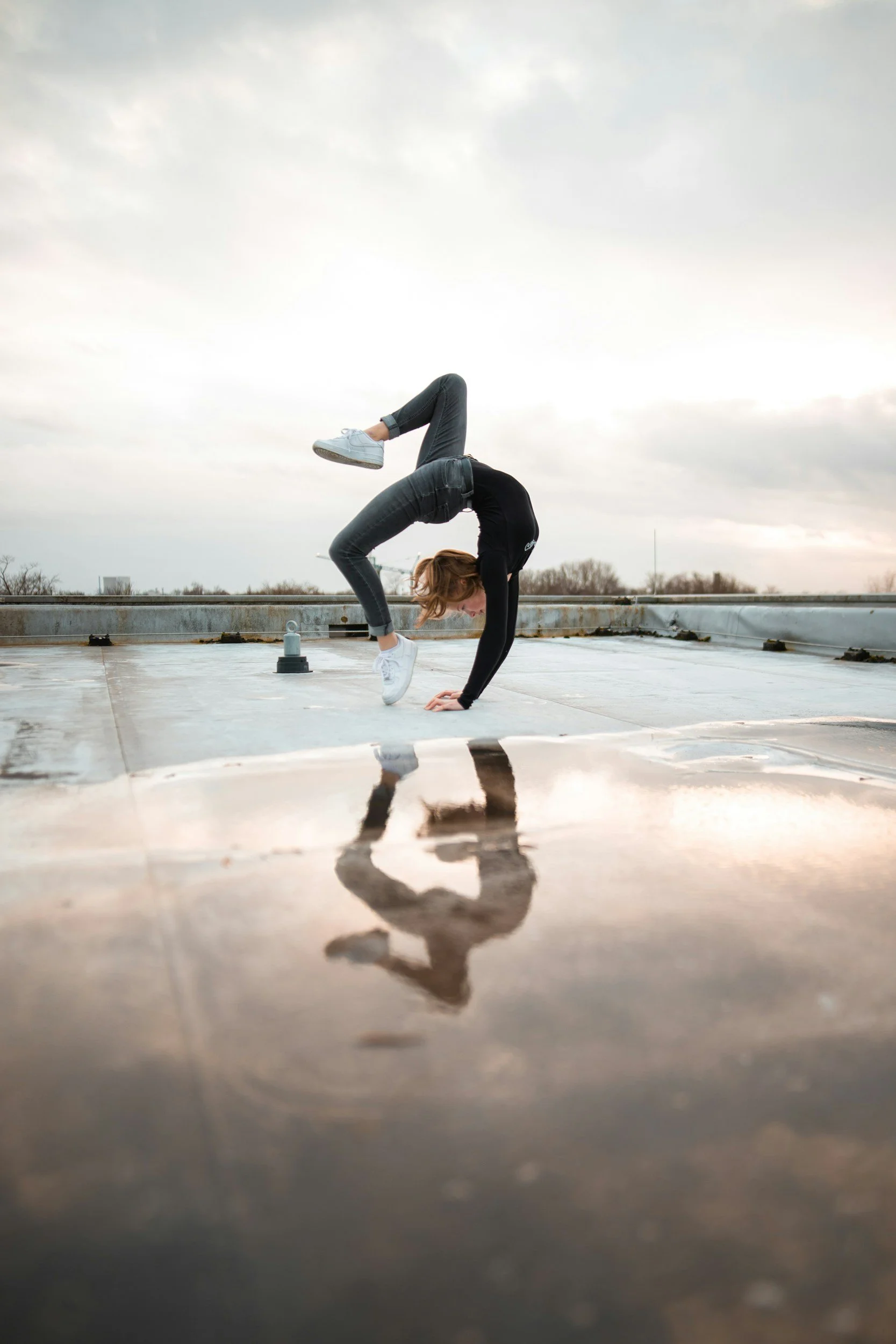
Hypermobility: It’s More Than Being “Double-Jointed”
Being able to bend your joints farther than most people may seem like a party trick, but for some people, hypermobility can be associated with pain, joint instability, muscle fatigue, and recurring injuries. Hypermobility isn't simply about being flexible, it’s also about how well you can control and support your joints as they move. While some people are naturally hypermobile without any symptoms, others may have a hypermobility spectrum disorder (HSD) or hypermobile Ehlers-Danlos syndrome (hEDS). Physiotherapy focuses on building strength, stability, coordination, and body awareness rather than simply increasing flexibility. With an individualized exercise program and the right guidance, physiotherapy can help you move with greater confidence, manage symptoms, and better tolerate the activities you enjoy.

Neck Pain from Screens: A Physiotherapist’s Guide
f you spend hours looking at a computer, phone, or tablet, you may have noticed your neck and shoulders becoming stiff, achy, or tired by the end of the day. While screens themselves aren't necessarily the problem, prolonged static positions, repetitive movements, and spending less time changing positions can place extra demands on your neck and upper back. The good news is that you don't need perfect posture or a completely new workstation to feel better. Physiotherapy can help identify the factors contributing to your symptoms, improve neck and upper-body strength and mobility, and provide practical strategies for managing screen time, movement breaks, and your workspace. The goal is to help you use technology comfortably without letting neck pain control your day.

Osteopenia vs Osteoporosis: What Physiotherapy Does Differently
Osteopenia and osteoporosis both involve lower-than-normal bone density, but they are not the same. Osteopenia indicates that bone density is below the optimal range, while osteoporosis represents a greater loss of bone strength and a higher risk of fracture. Physiotherapy can play an important role in managing both conditions, but the approach is tailored to your individual bone health, fracture risk, strength, balance, and activity level. With osteopenia, treatment may focus on progressive resistance training, weight-bearing exercise, posture, and building strength to help maintain or improve bone health. With osteoporosis, physiotherapy places greater emphasis on safe movement strategies, fall prevention, balance, strength, and exercises that protect the spine and reduce unnecessary stress on vulnerable areas. The goal in both cases is to keep you strong, active, and confident while choosing exercises that are appropriate for your level of bone health.

Backpack Fit Matters: How to Wear Your Backpack Properly
Backpack Fit Matters! A backpack should make life easier, not leave you with aching shoulders or a sore back. Whether you're heading to school, work, the gym, or travelling, an improperly fitted or overloaded backpack can increase strain on the neck, shoulders, and back. The good news is that small changes to how you pack, adjust, and wear your backpack can make a big difference. In this physiotherapist’s guide, we’ll look at proper backpack fit, safe loading, common injury risks, and simple strategies to help you carry your backpack more comfortably and confidently.